Removing Ticks From Your Cat
Removing ticks from your cat may sound like something rather disgusting to have to do and yes it isn't that pleasant but it is an important cat care duty for any cat owner. If ticks are left untreated they can make your cat very sick indeed.
What Is A Tick?
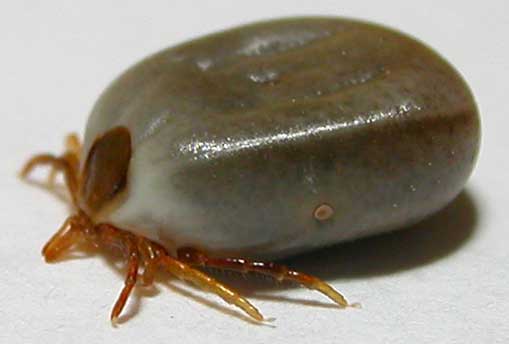
Cat ticks are blood sucking parasites (related to the spider family), which attach themselves to your cat by biting hard and burying their head into the cats skin. They remain there until they bloated with your cat's blood before finally dropping off.
Ticks can live for between 2 and 6 years, going through several stages of life cycle:
- Egg stage
- Larval
- Nymphal
- Adult
Each stage needs to be preceded by a blood meal for them to move on through the cycle.
What Do Ticks On Cats Look Like?
Ticks start off as being quite small, about the size of a pin head, but once they have gorged themselves on blood they swell to the size of a pea. It is only when they reach this pea size (takes a few days to a week), that they are noticed and are often mistaken for a wart as they are bluish / grey in color.
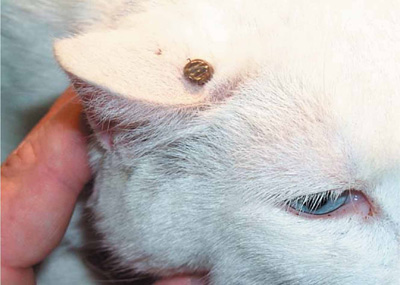
There are several types of tick which can affect your cat, the most common ones are:
- The sheep tick, Ixodes ricinus, also known as the deer tick or castor bean tick, this tick can also infest humans.
- Hedgehog ticks, ixodes hexagonus.
Where Do Ticks Live?

Cat ticks mainly live in damp areas such as heath land, woodland or moorland, in grasses and on plants. Although they can live in back gardens too.
Once hatched they climb up grasses and plants to await the passing of an animal which it can attach itself to for its first meal. Tick bites are nasty and are both painful and harmful. So removing ticks as soon as possible will help relieve your cats discomfort sooner rather than later.
Will A Tick Harm My Cat?
Ticks on cats are definitely a problem for your cats health for several reasons:.
- Local irritation from the presence of the tick in the skin. Soreness etc
- Infection from the tick bite
- Risk of disease. Ticks can carry a range of diseases, such as Lyme disease
- Some ticks can cause temporary paralysis
Ticks are second only to the Mosquito for transmitting infectious disease to both animals and humans and so removing ticks and preventing their spread and removing ticks is vitally important.
How Do I Know If My Cat Has A Tick?
Detecting and removing ticks on your cat as soon as possible the better the outcome for your cat. So regularly check your cat’s fur and skin for small lumps and bumps which could be a tick attached to the body. Removing ticks, if found, should be done as soon as possible to help prevent any serious infections.
Signs that your cat may have been bitten by a tick which has since dropped off and may have caused illness are:
- Fever
- Lameness
- Loss of appetite
- Signs of pain in legs or body
- Lethargy
- Cough
- Local infection on the skin
- Inflammation
Medical treatment should be sort as soon as possible if you suspect your cat has been bitten by a tick and is showing signs of ill health.
Removing Ticks From Your Cat
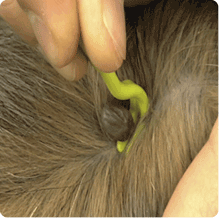
If there are only one or two ticks on your cat you could try to remove them yourself. However it is important that when removing ticks you ensure that you get all of the tick out completely as sometimes the head can remain embedded in the skin and this will cause a serious infection (tick granuloma).
If there are lots of ticks on your cat and you are unsure of how to remove them safely then you should get your vet to remove them for you. You can ask to be shown how to do it properly for yourself for future reference.
This video shows you how to do this safely
There are many suggestions flying around on how to remove a tick from, burning them with a cigarette to covering them with butter to suffocate them. However these methods can cause further problems such as burning your cat to spreading the ticks toxins further.
The only reliable way to make sure that a tick is removed completely is to remove the tick completely using special tick removers.
|
There are specially designed tick removers which are very effective for grasping and removing the tick. one of my personal favourites is the Your cat may be left with a little swelling or sore spot once the tick has been removed, this should go away after a few days. You could sooth the area with a mild antiseptic. If the swelling or soreness does not go away after a few days then seek medical treatment from your vet. |
 
|
Protect Your Cat From Ticks
Environment
The best way to protect your cat from ticks is to remove the tick’s habitat. So make sure all grass is always clipped short in your garden and that loose leaves and plant trimmings are disposed of.
If at all possible keep your cats away from areas of tall brush or grasslands, difficult I know if your cat is a rambler. If you cannot prevent your cat from entering these areas, make sure you check them often for ticks on their body.
Treatments
There are spray on or spot on treatments that can be used on your cat which deters ticks from biting them. Check to see if the spot on flea treatment that you use for your cat also protects from ticks. Usually many of the top brands do also helps to protect your cat not obly from fleas but ticks too.
However I would suggest that even if you do use a preventative treatment it is always wise to check your cat regularly for these nasty little critters and ensure your cats health by removing ticks whenever you find them.

Top oF Page
I'd love to hear what you think of this page or my site. Let me know if you like what you have read or if it has helped you with a problem.
It's easy to do just leave a comment in the box below and click the like / share or +1 to let others know about my site. Thank You It really is most appreciated.
FYI: As an Amazon Associate I earn from qualifying purchases.
Follow Our Happy Cat
Follow Us

Search This Site
Feline Rescue Spray - Cat Antiseptic - $ 25.95
Antiseptic treatment for all types of cuts, scratches, burns and insect bites. Soothing pain relief and healing aid are available in easy-to-apply Feline Rescue Spray.

Recent Articles


-
Smokey my cat
Mar 20, 24 02:32 PM
 Smokey is very laid-back and his personality shows for itself. Loves to lounge and sit with me when he explores around outside because of his curiosity




New! Comments
Have your say about what you just read! Leave me a comment in the box below.