Cat Allergy and Allergies In Cats
Causes and Treatment
Cat allergy, or in other words allergies in cats. This article is not about the allergic reaction some humans have to cats.
No, instead I am talking about cat allergies whereby the cat themselves have an allergic reactions to a certain substance.
The main difference between an allergic reaction in a cat and a human is that, with humans it mainly affects our breathing and occasionally our skin, whereas with a cat it is normally only a reaction to their skin.
A cat allergy is not often the first thing we think of when our cats show some sort of discomfort or excessive itching, but cat allergies amongst our feline friends is in fact quite a common occurrence with around 15% of cats suffering from some form of allergic reaction.
What Are The Possible Causes of A Cat Allergy?
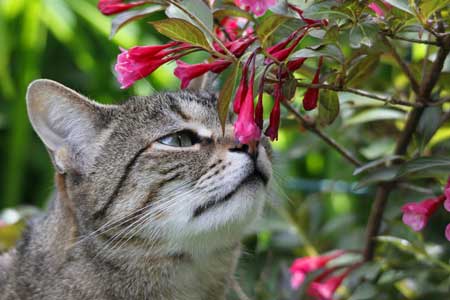
Just like us humans, cats can become allergic to various things, however the main ones are:
- Cat Food Allergy - There are many brands of cat food all insisting that they contain only the best ingredients and indeed many of them do.However they may also contain something that your cat is allergic to, whether it is some natural ingredient like tuna or an added nutritional supplement.It is impossible to know if your cat has this allergy until you notice repeated symptoms every time a certain food is fed.
- Medication - Some medications and even some vaccines can be the cause of a cat allergy in some of our pets. Again there is no way of telling before hand, however reactions to vaccines are relatively rare and should not prevent the caring cat owner from giving them to their pet.
- Insects and parasites - fleas are a common unwanted visitors for our cats and some cats are even allergic to the fleabites themselves. This can also be true for other biting insects.
- Airborne Allergens - Just like us humans, cats can also be allergic to things like grass seed, pollen, mould and even some household cleaning sprays and chemicals.
Cat Allergy Symptoms
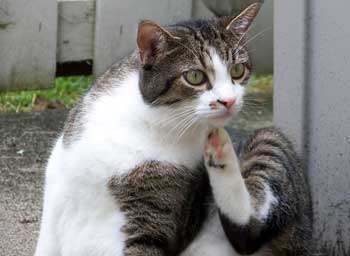
As the skin is often affected the most, the most common sign of a cat with allergies is twitching and scratching of their fur.
Little Mo was a cat with allergies and her symptoms included running frantically around trying to escape her itchy tormentor, even though she had no fleas but had just been bitten by one.
 |
Other symptoms include:
In some cat allergy cases hives may appear on the skin, as little circular raised red areas, which itch like crazy. This can sometimes occur quite soon after the cat has come into contact with the substance, but they usually disappear by themselves within 24 hours. |
How To Prevent An Allergy Attack
It is important to find out exactly what could be the cause of these allergies in cats. It can be very distressing and even painful for your cat every time an attack occurs.
To do this note down what has just happened within the last 30 minutes before the reaction became apparent. Ask yourself:
If the cause is found and it is something you can remove from your cat's environment, then do this immediately. Unfortunately if it is something like pollen or seed grass then there is not much you can do apart from keeping your cat inside during the season and keeping windows closed But even then they may still show some symptoms and an antihistamine from your vet will be required. If all else fails and you are not sure what the cause could be, it is best to seek a vets advice, as they may be able to spot something. They will also be able to prescribe some medication to reduce the symptoms, which your cat will thank you for. |
 Support for season allergies in cats |
I'd love to hear what you think of this page or my site. Let me know if you like what you have read or if it has helped you with a problem.
It's easy to do just leave a comment in the box below and click the like / share or +1 to let others know about my site. Thank You It really is most appreciated.
FYI: As an Amazon Associate I earn from qualifying purchases.
Follow Our Happy Cat
Follow Us

Search This Site
allergies in cats

Recent Articles


-
Smokey my cat
Mar 20, 24 02:32 PM
 Smokey is very laid-back and his personality shows for itself. Loves to lounge and sit with me when he explores around outside because of his curiosity
New! Comments
Have your say about what you just read! Leave me a comment in the box below.