- Home
- Cat Illnesses
Cat Illnesses - A Guide
Cat Illnesses and cat diseases will concern every cat owner at one time or another. No matter how well you look after your feline friend and give them the best care you can, they may still have cat health problems from time to time.
Unfortunately cats can’t tell us when they are feeling unwell.
This means that as a responsible pet owner you need to know the signs and cat symptoms of Ill health to watch out for and then to know what to do about them! See my page about recognising symptoms for more information.
This page lists many of the most common cat Illnesses, along with their possible causes and treatments.
You will also discover what to keep in a first aid kit for cats, to help you deal with any emergencies. And you will even be able to recommend your favourite vet, for the benefit of other visitors to this site!
Common Cat Illnesses and Cat Health Problems
Please remember that the information on this site does not replace the attention and advice of a qualified veterinary doctor. If you suspect that your cat may be unwell in any way, I do advise that you take them straight away to see your vet.
Most of these problems, although distressing to both you and your cat, can usually be successfully treated or managed.
I have also included some of the more serious cat illnesses which you may have heard about. This is so you can learn more about them and will know what to look out for.
Cat Illnesses
Here is a list of the most common cat diseases and cat illnesses you may come across. Simply click through to find out more about each individual problem.
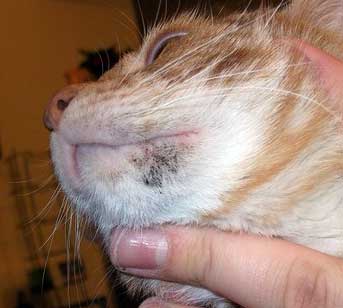

Constipation A common problem for some cats.
Dementia Cats can suffer from this age related illness too.
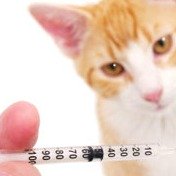
Diabetes - A complex illness which can be managed. This page will explain the condition and how to recognise it.
Diabetes Treatments - A look at how the illness can be managed on a daily basis.
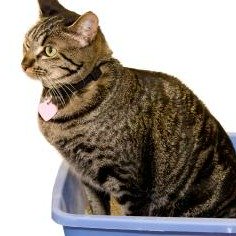
Diarrhea - Another common problem. This page looks at some of the possible causes.
Diarrhea Treatment - Depending on the cause there several available treatments.
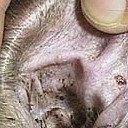
Ear Problems - Ranging from Ear mites to Infections.
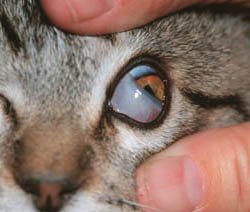
Eye Problems - The cats eye is a delicate and complex structure which can be prone to infection.

Feline Calici Virus - This is a very serious and contagious disease.
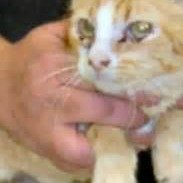
FeLV (Feline Leukaemia Virus) - A serious condition which affects the immune system.

Hair Balls - A common problem that in most cases is not serious.
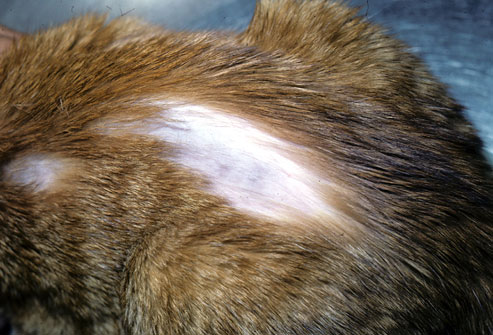
Feline Hair Loss - Including symptoms such as bald spots and excessive scratching.
Skin Conditions - Common skin problems

Heart Disease - Cats too can suffer with heart problems, whether they are born with problems or they develop them over time, in most cases they can be managed.

Pancreatitis - This can be a deadly illness if it is not caught early and treated. Learn to recognize the symptoms.
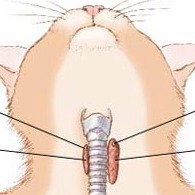
Thyroid Problems - this is becoming an increasing problem for some cats and needs urgent treatment to prevent further complication.
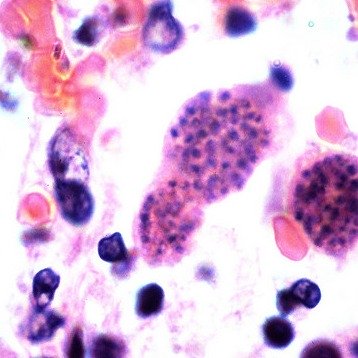
Toxoplasmosis - This is an infection caused by a microscopic parasite.

Twitchy Cat Syndrome - This is also known as Feline Hyperesthesia.

Vomiting - Explores some of the possible causes
Vomiting Treatments - How you can help your cat at home.

Pain and Pain Relief - Tips on how to relieve your cats pain.
Pregnancy and your Cat
Obviously pregnancy is not an illness! But it is useful to know the signs of pregnancy or a cat in heat, because their changes in behavior might lead you to think that something is wrong.
Signs can include morning sickness, increased appetite, enlarged nipples, weight gain and behavioral changes.
You can learn all about it in our special pages about cat pregnancy.
Cat First Aid and Emergencies at Home.
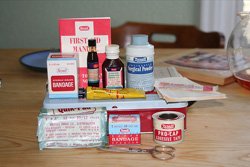
We should all have a first aid kit at home for ourselves, but many people do not realize that it also a good idea to have a separate kit for any injuries that your cat may suffer.
Veterinary centers often sell first aid kits, although you may prefer to make your own.
If your cat suffers a serious injury at home, it is important that you know what immediate care to give. You should also have the equipment ready to deal with the initial trauma before you can get them to the vets.
Most importantly, KEEP CALM! Your cat will already be frightened and they will need you to show reassuring behavior to help them to relax.
For more details on first aid treatment for cats, read our cat first aid page here.
Insurance
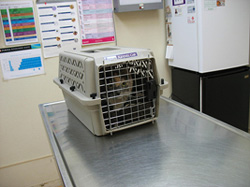
Cat Insurance - I feel very strongly about cat Insurance and have written about our experiences with vet bills for our cat Little Mo, which ran into thousands.
I feel so sad when I hear about pet owners who feel devastated after having to have their loved animal put to sleep because they couldn't afford to have it treated.
But if or when your beautiful feline companion has an accident or contracts a serious disease, the vet bills to have it treated successfully can often run into thousands!
Health and Holistic Pet Care
Helping your cat to stay in good health and prevent cat Illnesses is obviously one of the best things you can do to help prevent cat illnesses from occurring. You can find out a lot more about this in our Cat Health pages.
Ensuring your pet has good food, fresh water, plenty of play and exercise and regular check-ups at the vet can all help to maintain your cat’s well being. It is also recommended that you maintain a good care regime of treatments for fleas and worms plus yearly vaccinations.
Are You Happy With Your Vet?
How many of you have ever worried whether or not a particular vet has a good track record or not? I personally have come across great vets, indifferent vets and some I would definitely avoid for various reasons.
I therefore thought it would be a good idea to have a directory of vets that are actually recommended by genuine cat owners. That way if you live near a recommended vet you will have more confidence with them for the care of your cat. I know how important it is to have a vet you can trust.
So if you have a vet which has given your cat excellent care, why not add his name and practice to our directory for others to benefit from. Our Recommend Your Vet page over time will grow into a great resource for cat owners the world over.

I'd love to hear what you think of this page or my site. Let me know if you like what you have read or if it has helped you with a problem.
It's easy to do just leave a comment in the box below and click the like / share or +1 to let others know about my site. Thank You It really is most appreciated.
FYI: As an Amazon Associate I earn from qualifying purchases.
Follow Our Happy Cat
Follow Us

Search This Site

Recent Articles


-
Smokey my cat
Mar 20, 24 02:32 PM
 Smokey is very laid-back and his personality shows for itself. Loves to lounge and sit with me when he explores around outside because of his curiosity
New! Comments
Have your say about what you just read! Leave me a comment in the box below.