Neuter Information For your Cat
To neuter your cat or not, that is the question? In fact it is a very easy one to answer.
There are so many benefits to having your cat spayed that it is one of the most important things you can do as a caring cat owner.
As you will discover on these pages!
But I know that many cat owners have a lot of questions and worry about having their beloved pet operated on.
So I have put these pages together to give you all the information you need.
(By the way, Neutering usually refers to sterilizing male cats and Spaying refers to female cats)
The Benefits
Including:
- Have a more contented and less aggressive cat (with less cat fights and injuries!)
- Prevent that nasty Tom Cat smell caused from territorial scenting
- Help to reduce the senseless destruction of thousands of cats every year, just because there are not enough homes for them all.

... discover many, many more good reasons to sterilize your cat ... for THEIR sake!
In fact the earlier you can spay or neuter your pet the better. Having your cat done between 5 and 6 months has been shown to be:
- Less stressful
- Have a shorter recovery period
- Lower risk of complications
- Show no long term health or behavioural problems
Kittens shouldn't be let outside until they have been neutered. It is surprising to know that female cats can get pregnant at a very young age.
Myths About Cat Castration and Spaying
There are many myths about this subject which are designed to frighten you into doing nothing about it.
The main myths are:
- Is it better to allow your female cat to have at least one litter? - No. Research has shown there is no health or psychological benefits to your cat from waiting until they have had a litter
- Do pets become fat and lazy after sterilization? – No. They may be a little less active than before, but all you need to do is adjust their diet accordingly
- Sterilizing male cats is harmful to their health – No. In fact studies show it lessens the likelihood of prostate and testicular cancers!
The Cat Over Population Problem
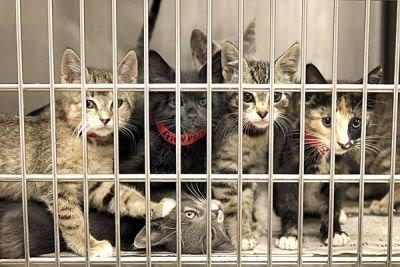
There are tens of millions of stray cats in the USA alone!
There are simply too many cats being born and not enough homes for them all, that is the bottom line. So every time a cat has kittens, somewhere other cats or kittens are having to be euthanised, simply because there is no where for them to live a safe and healthy life.
Countries where cats roam the streets in their hundreds, see cats live a short, often painful life. Ending by either poisoning, starvation, disease or brutally killed on the roads or by an angry farmer or house owner. This is no life for a cat and there is no need for it.
The Surgery
Find out what happens during the operation, plus useful tips about after-care and recovery periods.
These procedures are very routine and the benefits of having the sterilization surgery done can far outweigh any short term discomfort to your kitty!
Other Issues around Cat Spaying
The Cat Heat Cycle
Learn about the cat heat cycle, how to recognise the signs that your cat is in heat and how long it lasts.
Feral Cats FAQ
Feral Cats are strays that have returned to living like wild cats and they often live short lives of constant hardship and struggle.
Check out these handy FAQ's and discover how the Trap-Neuter-Return policy is helping to stabilize the feral cat population in the most cost effective and humane way.
"I hope these pages help reassure you that to spay or neuter your cat really is one of the best and kindest things you can do. Both for your cat and the feline population as a whole!"
Back to the top of this neuter page
FYI: As an Amazon Associate I earn from qualifying purchases.

Search This Site

Recent Articles


-
Violet and Pepper
Dec 18, 24 09:25 AM
 It was 2018, and we went through many losses with our pets. In early October (namely on October 1, 2018), our cat Maggie was suffering from a horrible