Feline Heart Disease
How Will It Affect Long-Term Cat Health?
Feline heart disease is either developed through the onset of other cat health problems during the cat's lifetime or it is something that they are born with, inherited from their parents.
Little Mo suffered from heart failure which was brought on due to her old age and also because she had thyroid problems which put pressure on her heart to work harder.
It didn’t cause her much trouble and she didn't even take any medication for it, but it did slow her down a bit and from time to time you could see that her breathing became a little heavier.
I suppose it was understandable as she was over 15 years old and just like us humans had started to wear out as she got older.
What Is Feline Heart Disease?
There are various different types of heart failure but essentially the heart is no longer strong enough to pump enough blood around the body to keep it functionally properly.
The symptoms of heart failure differ depending on which part of the heart is failing, the differences are:
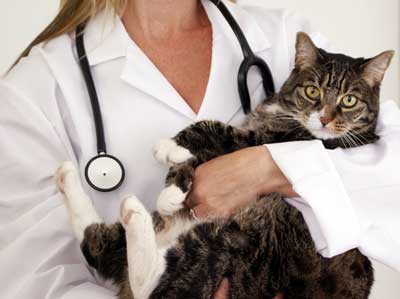
Right side of the heart is failing - this is called congestive heart failure and some of the symptoms are:
- Swelling in the abdomen due to fluid build up
- Swelling in the limbs (known as dropsy)
Left side of the heart is failing - blood pressure builds up in the pulmonary system causing what is known as an edema. The symptoms are:
- Rapid breathing
- Tiredness
- Coughing
You can see from the symptoms above how it may be mistaken for other types of cat illnesses such as a chest infection and this reinforces the importance of getting your pet properly diagnosed by a qualified vet!
 |
Although feline heart disease can occur in any breed of cat, there are a few which are more prone to this potentially serious cat health problem and so require extra watching for signs of heart failure. These breeds are:
|
The Treatments for Feline Heart Disease
|
Treatments for cat heart disease vary with the general health of your cat, their age and the actual condition involved. If your pet has any other existing cat illnesses will also need to be taken into account when treatment is considered. The vet will do various tests to see exactly which part of the heart is affected; this may involve various scans, blood tests and prolonged heart monitoring. Where blood flow is reduced, or the chambers of the heart are enlarged, there are medications that can help to regulate the flow of blood to enable the cat to function normally. If the heart disease is a congenital one where the heart valves are not formed correctly and it is picked up early in the cats life, it may be able to be operated on to correct the fault. |
 |
Heart Murmurs
Another form of cat heart disease is what is known as a heart murmur. This is the term given when the valves of the heart do not close properly causing the blood flow to be less efficient..
Heart murmurs are normally found in older cats, as the heart muscle becomes weaker or a thickening of the valve occurs. However many kittens are also born with a heart murmur but it usually corrects itself during the first 12 weeks of life as their bodies continue to develop, closing up the valves.
Heart murmurs are normally detected by the vet during regular check-ups, as there are often no physical symptoms.
The vet will detect a swishing sound when they listen to the heart using a stethoscope and may notice an unusual rapid or irregular heart beat.
Having said that a heart murmur could be the result of another feline heart disease and so signs of lethargy, coughing and a lack of appetite could indicate a heart problem and should be investigated as soon as possible.
Usually cat heart murmurs do not require medication in themselves and most cats can live quite a normal life with one. Medication will only become necessary if other feline heart disease is present as well, but the Vet will decide this during check-ups.
Top of this feline Heart Disease Page
I'd love to hear what you think of this page or my site. Let me know if you like what you have read or if it has helped you with a problem.
It's easy to do just leave a comment in the box below and click the like / share or +1 to let others know about my site. Thank You It really is most appreciated.
FYI: As an Amazon Associate I earn from qualifying purchases.
Follow Our Happy Cat
Follow Us

Search This Site
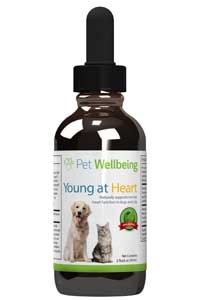
Effective support for your cats heart

Recent Articles


-
Smokey my cat
Mar 20, 24 02:32 PM
 Smokey is very laid-back and his personality shows for itself. Loves to lounge and sit with me when he explores around outside because of his curiosity
New! Comments
Have your say about what you just read! Leave me a comment in the box below.