Cat Constipation
A Common Cat Illness
Cat constipation is very common and can occur at any age, although the risks increase the older your cat becomes. "What can I do for my constipated cat"?
This is probably one of the most common questions I am asked and one that is fairly easy to answer. I have put together a comprehensive list of what you can do for your cat.
Constipation means that your cat is having difficulty to pass faeces, if it can do so at all.
This is usually because, for whatever reason, the faeces have remained in the bowel for too long.
The bowel reabsorbs moisture from the faeces, and so the longer it stays there, the drier and harder it becomes, making it even more difficult to pass from the body.
Prevention and Cat Constipation Treatment
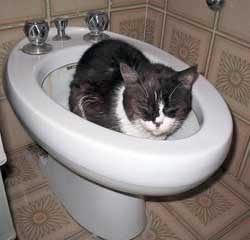
Water - Always ensure that your cat has plenty of fresh clean water to drink. This helps to keep the stools soft and easy to pass. You can also add some bran or other high fibre food to their diet too to help bulk out the stool which also helps to make it easier to pass.
Fiber - Canned pumpkin, vegetable meal or whole grain can be mixed up with your cats usual canned cat food. Introduce any changes to their diet slowly over a week or so, a sudden change may make things worse and could even lead to cat diarrhea.
Lubrication - Some medicinal liquid paraffin can be added to their food if you suspect they are constipated. Be sure to follow the recommended directions carefully if using medicinal paraffin or other laxatives as too much will cause diarrhea.
Special diet - You can also put your cat on a prescribed cat diet temporarily, or on a permanent basis if the problem keeps reoccurring - discuss this with your vet if necessary.
What Causes Cat Constipation?
|
There are many possible reasons why you may have a constipated cat. These can include:
|
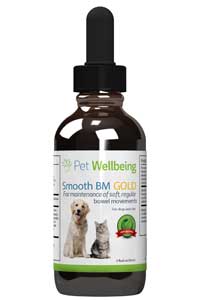 Maintenance of soft, regular bowel movements |
How Do I Know If I Have A Constipated Cat?
If your cat goes to the toilet outdoors then it may be difficult for you to spot the tell-tale signs of cat constipation. If you do suspect your cat is having problems, then keep them indoors with a litter tray for a couple of days so you can better monitor how they are getting on.
Cat Constipation Symptoms
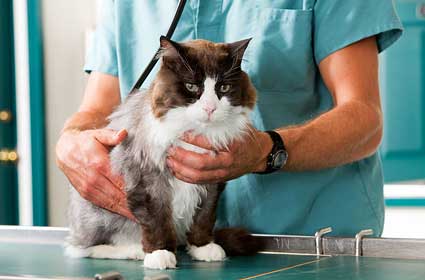
Your cat passes hard dry faeces in very small amounts, if they can pass any at all.
Your cat keeps straining to go to the toilet, and possibly shows signs of pain as they do. This can be confused with episodes of cystitis where the cat keeps straining to pass urine.
Sometimes very liquid faeces can be passed and this may be confused with diarrhea.
This happens when the bulk of faeces has formed a 'plug' that the cat cannot pass. This irritates the bowel and more liquid faeces and mucus pass around the hard mass.
The cats abdomen may be distended and tense, and they may appear to be in discomfort.
They show a loss of appetite.
When constipation Becomes A Cat Health Emergency!
If your cat becomes lethargic and weak or starts to vomit, then please get your cat to the vet as soon as possible, as the condition is developing into a medical emergency.
What Can My Vet Do About Cat Constipation?
Your vets will want to know all about their diet, if there are showing any other symptoms and if they are on any medications. They will physically examine your cat, and possibly want to undertake further investigations such as taking blood tests, x-rays or scans.
They may need to give the cat some laxatives, of which there are many kinds. Another option is for an enema, and this usually requires sedation or to be done under anesthetic.
The vet may need to put your cat on a drip to replace fluids if they have become dehydrated.
In severe and rarer cases surgery may be necessary, and your vet may need to take a biopsy or perform a colonoscopy if the problem is chronic and if it is difficult to diagnose a cause.
Prevention Is Better Than Cure In Cat Constipation
We may provide the best cat care we can and still find we have a constipated cat sometime during its lifetime. Occasional episodes of cat illnesses like this are often not too much to worry about and can be resolved at home.
Look again at the list of causes we have above to see if their is anything you can change to help prevent this problem arising, and always speak to your vet if you have any concerns regarding your cat health.
Top of this Cat Constipation Page
FYI: As an Amazon Associate I earn from qualifying purchases.

Search This Site

Recent Articles


-
Violet and Pepper
Dec 18, 24 09:25 AM
 It was 2018, and we went through many losses with our pets. In early October (namely on October 1, 2018), our cat Maggie was suffering from a horrible
Cat Constipation Treatment