Cat Flu
How To Treat And Prevent
Cat flu is quite a nasty illness for your pet. If you have never seen a cat with flu then count yourself lucky. It is far worse than cat colds.
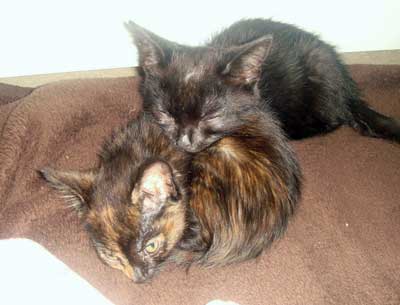
Our cats have always been vaccinated and have never caught the feline flu, but because Little Mo came from an animal shelter, we did not know her previous history and she caught the flu soon after we re-homed her.
It really was sad to see, she didn't eat or drink for days. She could hardly walk and it was pitiful to hear her croaky almost silent mew.
Cat Flu is the common name given to a group of viruses, which affect the upper respiratory tract in cats.
Healthy cats are normally able to cope with the illness and it is not usually fatal, but it can be much nastier and dangerous to kittens and cats with a weaken immune system.
Anyway we all know how unpleasant the flu can be in ourselves, so it is something that we should try and protect our pets from catching it in the first place.
 |
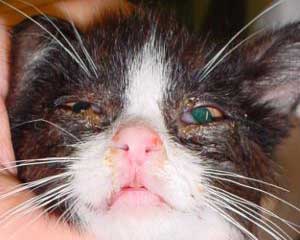 |
This is a very serious condition which can cause long term damage to some cats such as blindness. It can also kill young cats and which is why vaccination is so important.
What Is Cat Flu And How Is It Spread?
The illness itself is normally caused by the Feline Herpes Virus 1 (FHV-1) or Feline Calicivirus (FCV).
The disease affects the:
- eyes, nose, mouth and windpipe. In severe cases it may even spread to the lungs and bronchi.
The viruses are spread:
- Via sneezing and contact with the discharges.
It can also be spread via cat food bowls, grooming brushes and bedding. In fact because some of the viruses can live for a short while outside of the cats body in the environment, it is a good idea to thoroughly clean the home environment. The use of household bleach mixed with water is advisable on washable items.
The Spread of the virus needs to be contained. The best method is to:
- Cats infected with the feline flu should be kept separate from other animals to prevent spreading the disease.
- Although humans cannot catch the disease from cats, we may inadvertently help spread it from one animal to another via our hands. It is important that we do not handle the sick cat often and always thoroughly wash our hands when we do.
The Symptoms Of Cat Flu
|
If you notice your cat displaying any of the following symptoms, you should take them to the vets immediately to have the illness diagnosed professionally and treated quickly.
The symptoms of cat flu can last between 7 and 14 days depending on the strain of virus. |
 |
The Treatment
Viral infections cannot be cured but the symptoms can be managed. Depending on the symptoms your cat is showing your vet may prescribe, eye drops and or antibiotics.
In severe cases where the cat cannot eat or drink due to mouth ulcers, your vet may want to keep your cat at the clinic so that they can be fed intravenously.
As a caring cat owner the best thing to do is to try and keep your cat as comfortable as possible.
- Make sure they have a warm and comfortable place to sleep
- Swab eye and nose discharges with salt water (one teaspoon of salt to one pint of water)
- Try to keep the room well ventilated and not stuffy (you may even want to place a bowl of steamy water near them to try and help them breath, but never leave your cat alone with hot water)
- Make sure there is plenty of clean fresh water available and try to encourage them to drink often.
- Food, water and the litter try may have to be placed closer to the cat if they are suffering from joint pain. (When Little Mo had the flu, she could hardly walk for two days).
- Provide very smelly foods like pilchards because they may have a reduced sense of smell, and cut them up into small pieces
- A little cream or ice cream may also tempt them to eat, as it may sooth sore throats.
- Keep the environment quiet and stress free
Prevent Cat Flu
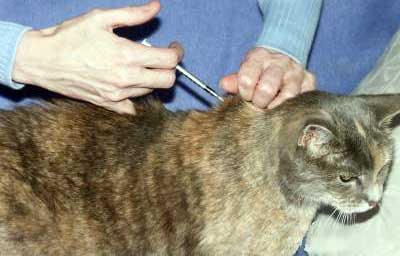
Once a cat has cat flu they may become a carrier of the disease which may either make them sick again in the future even if they have not come in to contact with another sick cat, or they may infect other cats.
This is one of the main reasons for having your healthy cat vaccinated against the disease, as you can never be sure which cats they come into contact with, you may even inadvertently spread the disease yourself by stroking a seemingly healthy cat who may be carrying the illness.
The vaccine for cat flu can be given either separately or as a combined vaccine for other infectious diseases.
Your vet will discuss this with you at your visit. See our page regarding cat vaccinations in general for more information.
I'd love to hear what you think of this page or my site. Let me know if you like what you have read or if it has helped you with a problem.
It's easy to do just leave a comment in the box below and click the like / share or +1 to let others know about my site. Thank You It really is most appreciated.
FYI: As an Amazon Associate I earn from qualifying purchases.
Follow Our Happy Cat
Follow Us

Search This Site

Recent Articles


-
Smokey my cat
Mar 20, 24 02:32 PM
 Smokey is very laid-back and his personality shows for itself. Loves to lounge and sit with me when he explores around outside because of his curiosity





New! Comments
Have your say about what you just read! Leave me a comment in the box below.